
Seal Clinic Articles
-
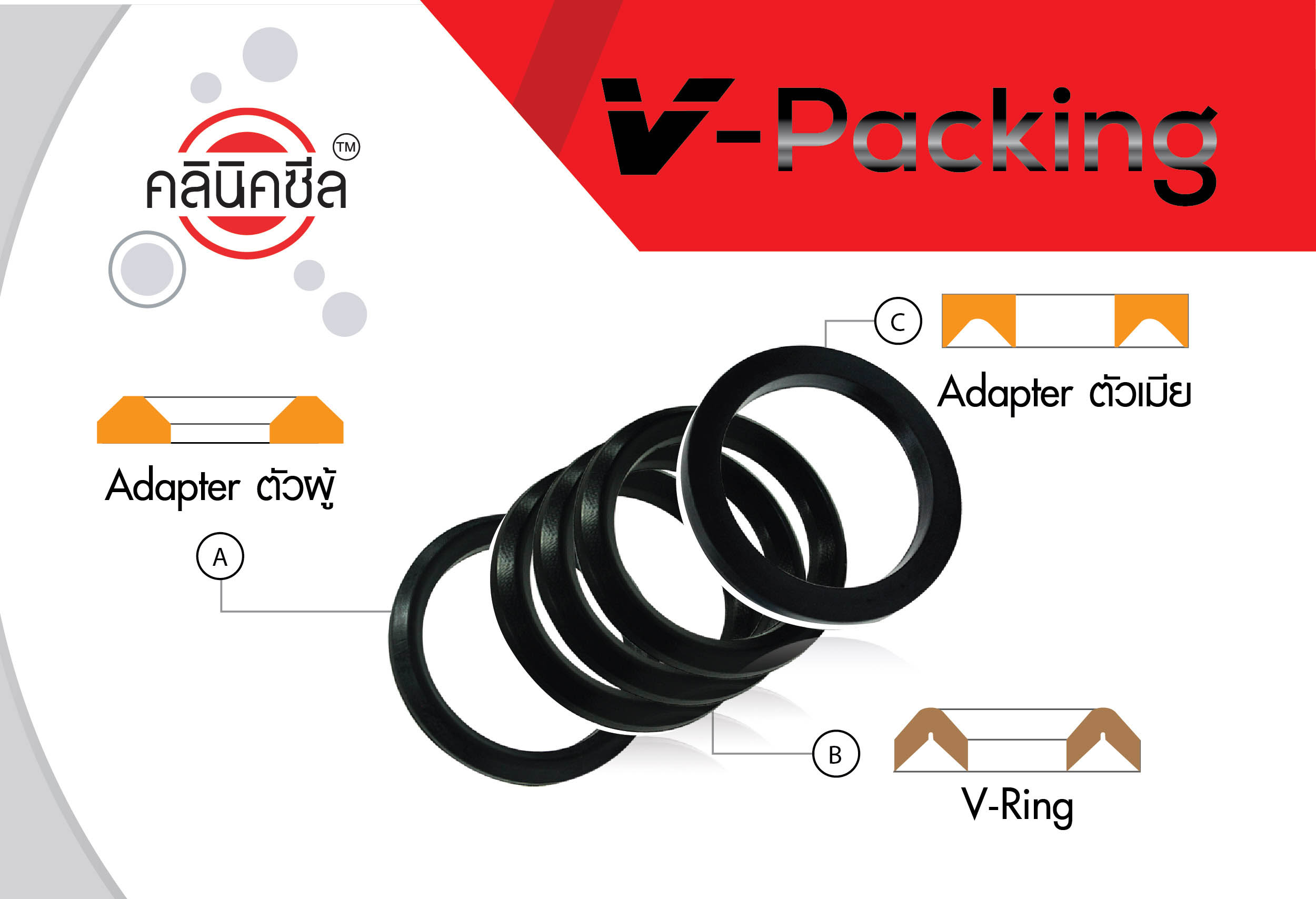
Understanding V-Packing Seals
View more >V-packing seals were developed for hydraulic systems. Their durability, high pressure resistance and long service life have made them widely used. A V-packing assembly consists of three components: a…
-
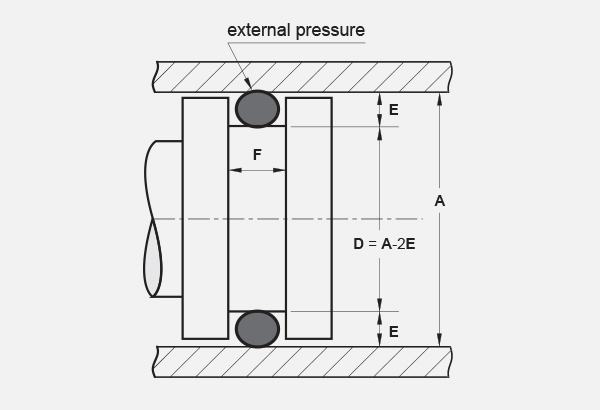
How much larger should an O-ring’s cross-section be than the groove depth?
View more >O-ring grooves generally have a rectangular cross-section, providing room for the O-ring to deform when compressed between mating components. For the correct groove dimensions relative to the O-ring’…
-
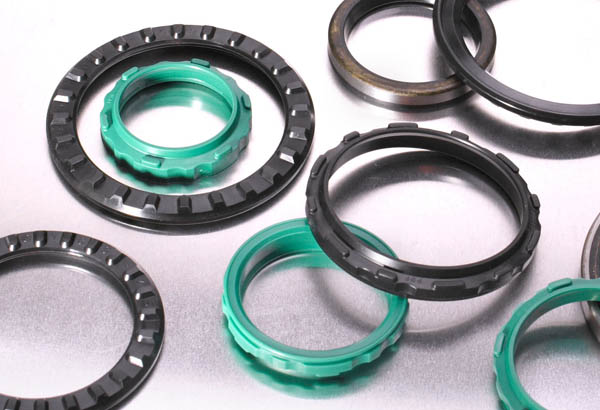
Are cushion seals necessary in pneumatic cylinders, and what do they do?
View more >Cushion seals slow down or stop a rapidly moving piston to prevent it from striking the cylinder end cap with excessive force, which could cause damage. They are therefore needed in pneumatic cylinde…
-
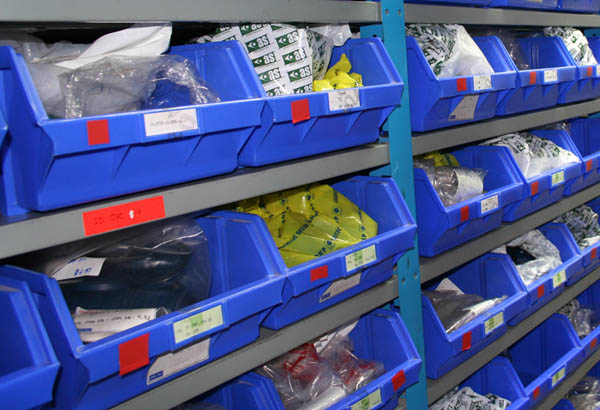
How to Extend the Service Life of Your Seals
View more >You can help extend the service life of all the seals you use by checking the following conditions: Store seals neatly in a cool place with relative humidity of 40–70%.Do not hang unused seals on hoo…
-
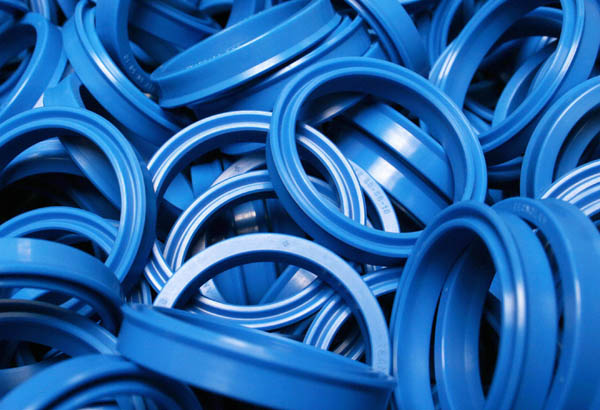
How Does a Rubber-Energized U-Cup Seal Differ from a Standard U-Cup Seal?
View more >U-cup seals are commonly made from polyurethane. To improve their elastic recovery, some manufacturers fit a rubber energizer into the U-cup groove. The rubber helps the sealing lips respond more fle…
-
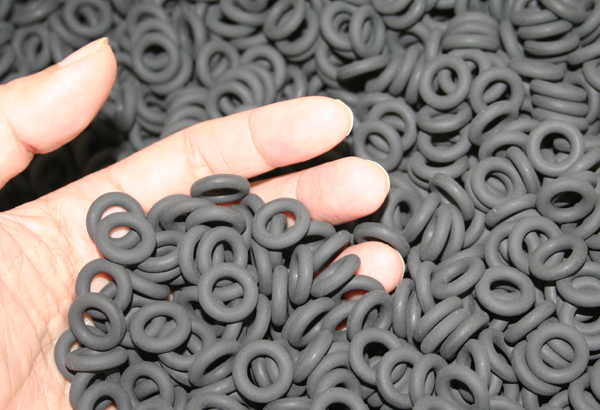
What Is the Difference Between 70 Shore A and 90 Shore A O-Rings?
View more >O-rings with a hardness of 70 Shore A are commonly used in general applications. For hydraulic systems operating above 100 bar, the article recommends 90 Shore A O-rings because they can withstand hi…
-
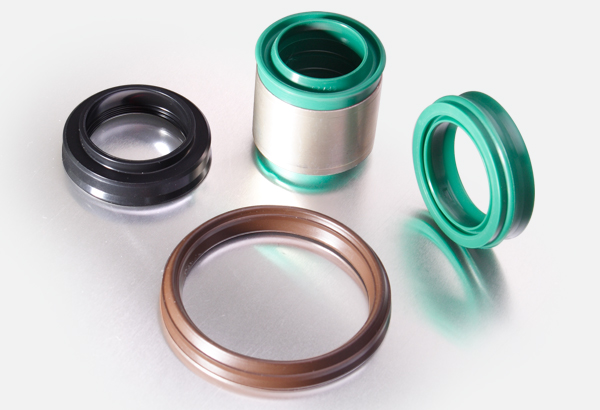
Why Do Some Pneumatic Cylinders Have Only One Seal at the Rod End?
View more >It is a common misconception that the seal fitted at the end of a pneumatic cylinder is only a dust wiper. Although it resembles a wiper seal, its inner lip also retains pressure. This single compone…
-
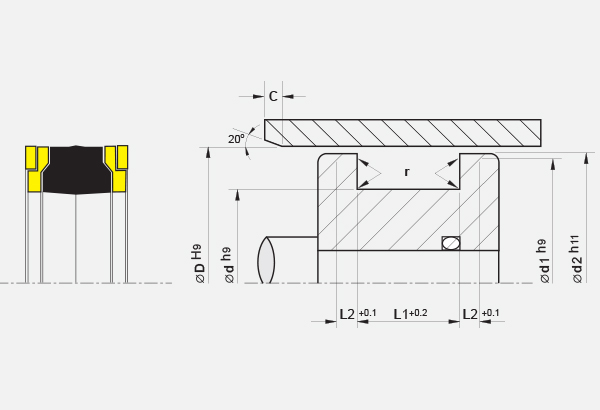
Should You Measure a Seal to Design Its Housing Groove?
View more >When designing a component to accommodate a seal, study the seal handbook carefully and determine the groove dimensions strictly according to its specifications. Do not measure the seal itself and ma…
-
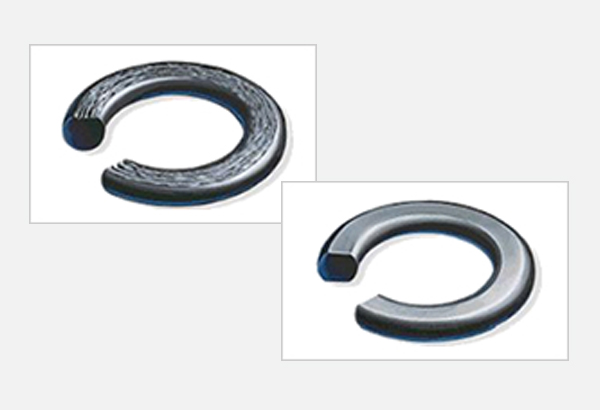
Why Does a Used O-Ring Take the Shape of Its Groove Instead of Remaining Round?
View more >Rubber materials used to manufacture O-rings may have the same name, but their manufacturing processes and compound formulations can differ. These differences affect their properties, including recov…
-
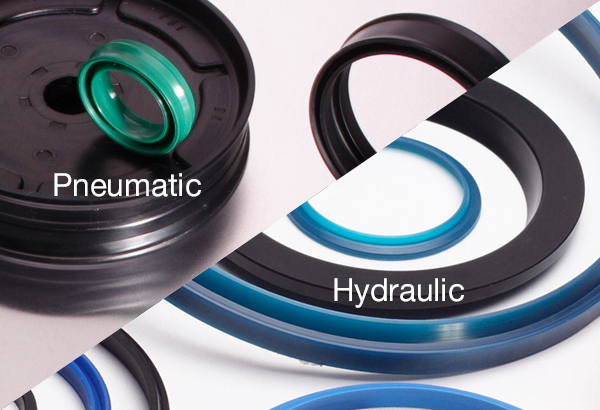
Can Hydraulic Seals Be Used Instead of Pneumatic Seals?
View more >Pneumatic and hydraulic seals may look similar, but their materials differ, particularly in hardness. Pneumatic seals are generally softer, and their compounds may contain lubricating additives. Usin…